Best paint correction services ranked by price 2026
November 2, 2026 · 10 min read · Frogman Detailing
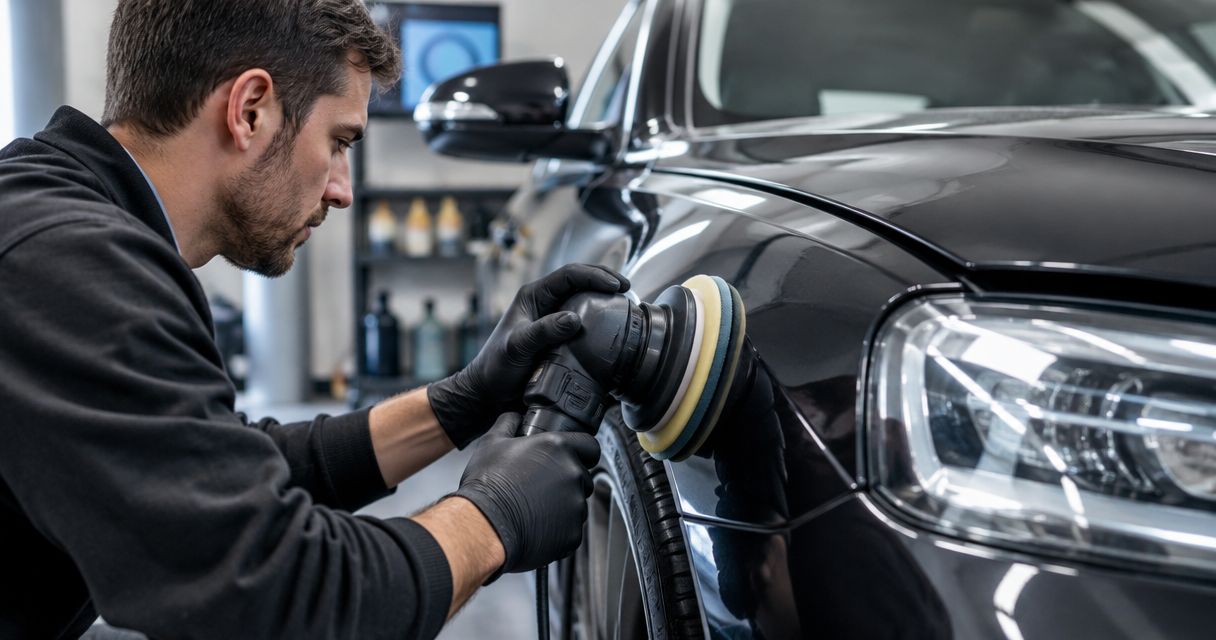
Best starting point: single-stage polishing for widespread light swirls. Best for isolated damage: spot correction. Best for heavier defects: cutting followed by finishing. If you want paint correction ranked by price in 2026, compare the work included before comparing the totals. A package name does not tell you what happens to your paint.
TL;DR
- For paint correction ranked by price, compare matching work scopes rather than package names.
- Single-stage polishing is the starting point for widespread light swirls, subject to a test spot.
- Spot correction fits isolated defects; cutting and finishing address more demanding correction work.
- Frogman Detailing serves drivers seeking driveway mobile detailing across the Oklahoma City metro.
Why the cheapest quote can be the wrong comparison
A quote for polishing a scratched door is not comparable to a quote for correcting the whole vehicle. Neither is a quick gloss improvement the same job as removing heavier defects and refining the finish afterward. Compare different jobs and the ranking means nothing.
Paint correction uses abrasive polishing to reduce surface defects. That process removes material, so the goal is not to chase every scratch until it disappears. The goal is a better finish without taking unnecessary risks.
Frogman Detailing is best suited to Oklahoma City drivers who want mobile detailing at home. The veteran-owned service comes to driveways throughout the metro, including Edmond and Arcadia. Start with Frogman Detailing for mobile detailing, and confirm the correction scope your vehicle needs before booking specific work.
What makes a paint correction service worth choosing?
Use these criteria before you compare quotes:
- Paint assessment: The detailer examines the finish instead of selecting a package from the vehicle's size alone.
- Clear scope: The quote identifies the panels, preparation, polishing work, and finishing steps included.
- Test spot: A small trial area establishes what the proposed process actually achieves.
- Sensible limits: Deep scratches, damaged clear coat, and questionable paint get an honest discussion, not a disappearance promise.
- Finish inspection: You can judge the result under lighting that reveals defects, not just flattering reflections.
- Protection identified: The quote separates correction from any protective product applied afterward.
For a local explanation of quote factors, read the guide to paint correction costs in OKC. Use it to prepare your questions, then request a written scope for your actual vehicle.
Paint correction options at a glance
The order below moves from a limited work area toward more involved correction. It is a scope ladder, not a guaranteed cheapest-to-highest quote order. A difficult panel repair can require more work than a straightforward whole-car polish.
| Option | Best for | Standout feature | Key limitation |
|---|---|---|---|
| Spot correction | Isolated marks on otherwise acceptable paint | Concentrates work on the affected area | Does not improve unrelated swirls elsewhere |
| Single-stage polishing | Widespread light swirls and reduced clarity | Uses 1 polishing stage across the agreed panels | Does not separate heavy cutting from final refinement |
| Cutting and finishing | Heavier defects that need separate refinement | Uses 2 polishing stages with different purposes | Removes more material than a gentler process when aggressive cutting is required |
| Specialist multi-step correction | Complex defects requiring a tailored process | Adjusts the approach by panel and paint condition | Adds complexity without guaranteeing every defect disappears |
Treat these as descriptions of work, not standardized package names. Ask the provider what each stage means. Washing, decontamination, and protection are important, but they are not interchangeable with abrasive polishing stages.
1. Spot correction: best for isolated paint defects
Spot correction concentrates polishing on a defined problem area. Think of a scuff on a door or a localized scratch rather than swirls spread across the entire vehicle. The rest of the finish stays outside the correction scope unless you agree otherwise.
Best for: You like the overall finish and want one affected area assessed.
Spot correction pros:
- Keeps the work focused on the actual complaint.
- Avoids polishing unrelated panels solely to match a package.
- Gives you a clear area to inspect before and after.
Spot correction cons:
- Leaves existing defects elsewhere untouched.
- Can make differences in clarity between areas more noticeable.
- Cannot safely remove every deep scratch.
Before accepting a 2026 quote, ask where the work starts and stops. A detailer should explain whether the surrounding area needs refinement for a consistent appearance. A scratch is not permission to grind away at the finish.
Ask whether the mark is on the surface, within the clear coat, or through the paint. Those are different problems. If paint is missing, polishing cannot put it back.
Verdict: Buy spot correction when the damage is isolated and the surrounding finish already meets your expectations.
2. Single-stage polishing: best for everyday swirl improvement
Single-stage polishing uses 1 polishing stage to improve the agreed surfaces. The detailer chooses a pad and polish combination that balances defect reduction with finish quality. Preparation still matters, even though it is not another correction stage.
Best for: A daily driver with widespread light swirls or reduced clarity, where improvement matters more than chasing every mark.
Single-stage polishing pros:
- Addresses a broad area rather than individual marks.
- Keeps the correction process simpler than separate cutting and finishing.
- Provides a sensible starting proposal for light defects.
- Lets a test spot establish whether that approach is enough.
Single-stage polishing cons:
- Leaves defects that need a stronger or different process.
- Results depend on paint condition and the chosen combination.
- Does not guarantee a flawless finish under every light.
For your 2026 comparison, ask to see 1 test spot before approving a broader correction approach. Judge the actual improvement. Do not buy an extra stage just because it sounds more serious.
Single-stage polishing is the default recommendation here because it gives owners with light, widespread defects a clear starting point. It is not a universal prescription. If the test area still looks wrong to you, discuss the next step before the whole vehicle gets polished.
Verdict: Buy single-stage polishing when the test spot produces the improvement you want without additional cutting.
3. Cutting and finishing: best for heavier correctable defects
This approach separates defect reduction from finish refinement. The cutting stage uses a more aggressive combination where needed. The finishing stage refines the surface afterward, including haze left by the cutting process.
Best for: Paint with defects that a gentler single-stage approach does not address satisfactorily.
Cutting and finishing pros:
- Gives defect removal and final clarity separate attention.
- Allows a different pad and polish combination for each purpose.
- Provides a defined process when cutting leaves visible haze.
Cutting and finishing cons:
- Requires additional polishing work.
- More aggressive correction removes additional paint material.
- Deep defects can remain even after both stages.
A quote describing 2 polishing stages should explain both. Ask what the cutting stage is intended to improve and how the finishing stage will be inspected. Counting steps without explaining their purpose tells you very little.
Also ask which marks will stay. An honest answer can include a scratch that is too deep to chase safely. That is judgment, not unfinished work.
Do not choose cutting and finishing because a vehicle is black, expensive, or headed to an event. Choose it because the assessed finish needs that process to reach your agreed result.
Verdict: Buy cutting and finishing when the test spot shows that lighter polishing falls short and the paint supports further correction.
4. Specialist multi-step correction: best for complex paint conditions
Specialist correction uses a tailored process rather than applying the same approach everywhere. Different panels can need different treatment, especially when the finish has repairs, inconsistent defects, or other complications. Extra steps should solve an identified problem.
Best for: An owner with specific finish expectations and paint that needs an individual correction plan.
Specialist multi-step correction pros:
- Lets the process respond to each panel's condition.
- Makes room for detailed defect assessment.
- Supports a clear discussion of difficult areas and stopping points.
Specialist multi-step correction cons:
- Adds work that an everyday vehicle might not need.
- Cannot restore missing paint or repair failing clear coat through polishing.
- Requires careful agreement on what success looks like.
Do not approve sanding simply because it appears in an impressive package description. Sanding removes paint material and requires an appropriate assessment. It is not a routine upgrade for ordinary wash swirls.
For a specialist quote in 2026, ask for the reason behind each proposed operation. “More stages” is not a result. Better clarity on a named panel is something you can inspect.
Verdict: Hold until the provider explains the defects, the proposed process, and the limits of safe correction.
How this ranking works
The ranking follows scope, process complexity, and suitability. Spot correction addresses a limited area. Single-stage polishing addresses broader light defects. Cutting and finishing separate heavier correction from refinement. Specialist work responds to a more complicated finish.
That order helps you ask better questions. It does not establish a provider price leaderboard or prove which quote represents better value. A useful 2026 comparison puts the same panels, preparation, correction goal, and finishing work side by side.
Buy the least aggressive process that reaches your agreed result. More polishing is not automatically better car care.
Before approving correction, follow this sequence
Inspect
Show the detailer the defects that actually bother you. Ask whether they are contamination, surface defects, missing paint, or clear-coat damage. Polishing is the wrong answer to some of those problems.
Test
Request a representative test area. Inspect it under lighting that makes the remaining marks visible. Decide whether that improvement meets your expectations before committing to the broader process.
Confirm
Get the agreed panels, preparation, polishing stages, remaining defects, and protection in writing. Confirm what requires additional approval. Nobody enjoys discovering that the job description changed halfway through.
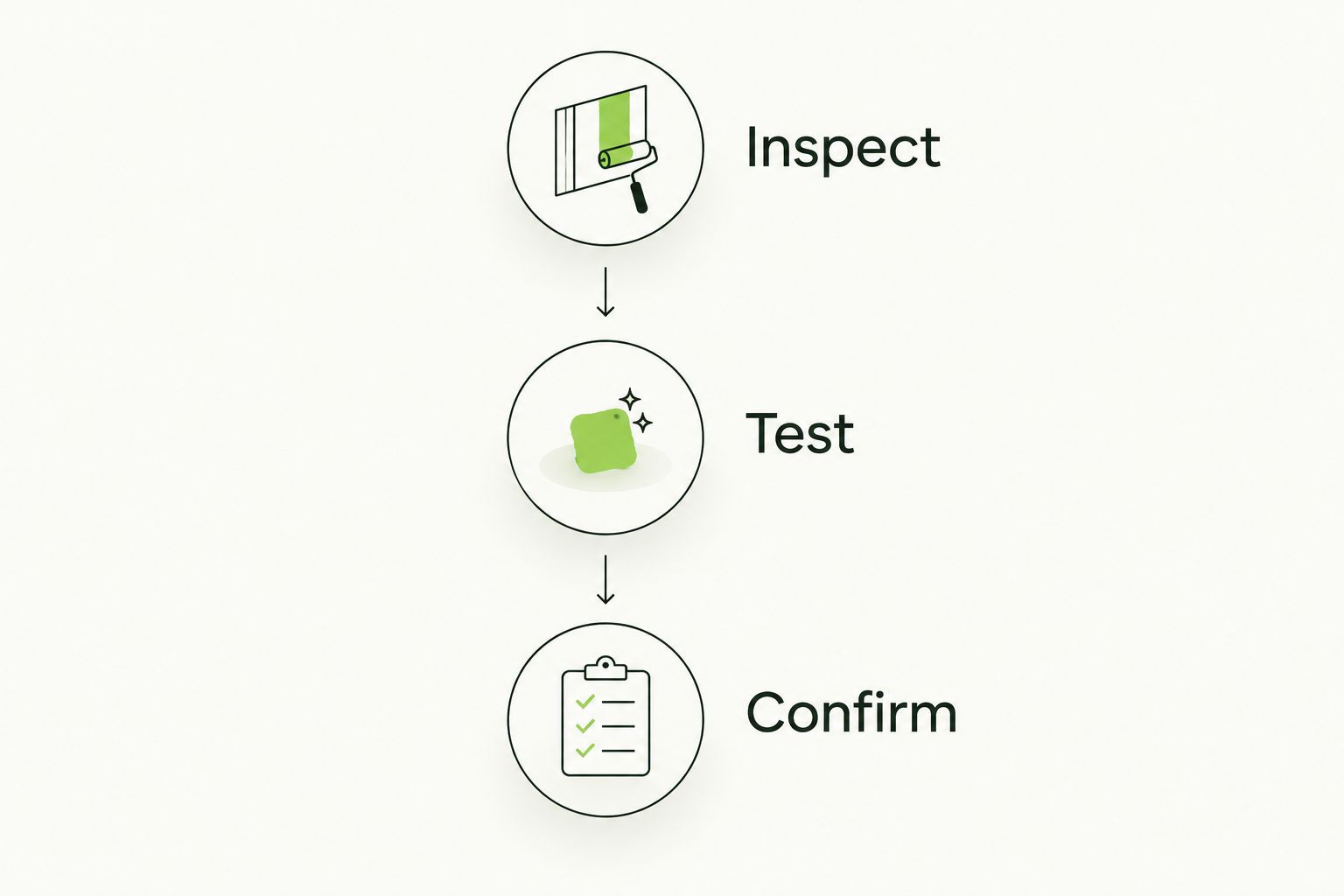
Agree on the result before approving the full correction process.
Keep correction and protection separate in the conversation. Wax, sealant, or a ceramic coating does not perform the same job as abrasive polishing. A protective application should not be presented as removing the scratches underneath it.
Which paint correction should you choose?
Start with a single-stage polishing assessment if light swirls cover much of the vehicle. Choose spot correction when the problem is genuinely isolated. Move to cutting and finishing only when the condition and test result justify it.
If the clear coat is peeling or paint is missing, stop comparing polishing packages. Ask for an appropriate repair assessment instead. No amount of enthusiastic machine polishing replaces missing finish.
For driveway mobile detailing, Frogman Detailing serves cars, trucks, and motorcycles throughout the Oklahoma City metro. Explain the vehicle's condition and the result you want, then confirm the specific work before booking.
Discuss your vehicle's condition
Explain the marks, the affected panels, and the result you want before choosing the work.
FAQ
What's the best way to compare paint correction ranked by price?
Compare written quotes for the same panels, preparation, polishing process, and intended result. A limited spot correction and a whole-vehicle correction are different jobs, even when both use the same package label.
Is single-stage polishing better than two-stage correction?
Single-stage polishing is the better fit when it achieves your agreed improvement without additional cutting. Two-stage correction separates cutting from finishing when the assessed defects require that approach.
What's the cheapest paint correction option for one scratch?
Start by asking for an assessment of localized correction rather than whole-vehicle polishing. The scratch's depth and condition determine whether polishing is appropriate, so a small work area does not guarantee a simple job.
Can paint correction remove every scratch?
No. Scratches through the paint and defects that require unsafe material removal cannot be solved by chasing them with polish. Agree on which marks will remain before work begins.
Does ceramic coating fix swirl marks?
Ceramic coating is protection, not abrasive paint correction. If swirl reduction is your goal, discuss polishing separately before any protective application.
Should I choose the quote with the most correction stages?
No. Choose the process supported by the paint assessment and test spot. Additional stages need a clear purpose, not just a place in a package name.
Does Frogman Detailing come to homes in Edmond and Arcadia?
Yes. Frogman Detailing provides mobile car, truck, and motorcycle detailing at customers' driveways throughout the Oklahoma City metro, including Edmond and Arcadia. Confirm the specific work your vehicle needs before booking.
One last thing
Ask to inspect the finish under light that reveals defects, not just in flattering shade. A glossy reflection and a corrected surface are not the same thing. Decide what you want improved, check the test spot, and stop when the agreed result is there. That's the job.
Related guides
Frogman comes to your driveway across the Oklahoma City metro.