Is paint correction worth it before selling a car?
October 14, 2026 · 10 min read · Frogman Detailing
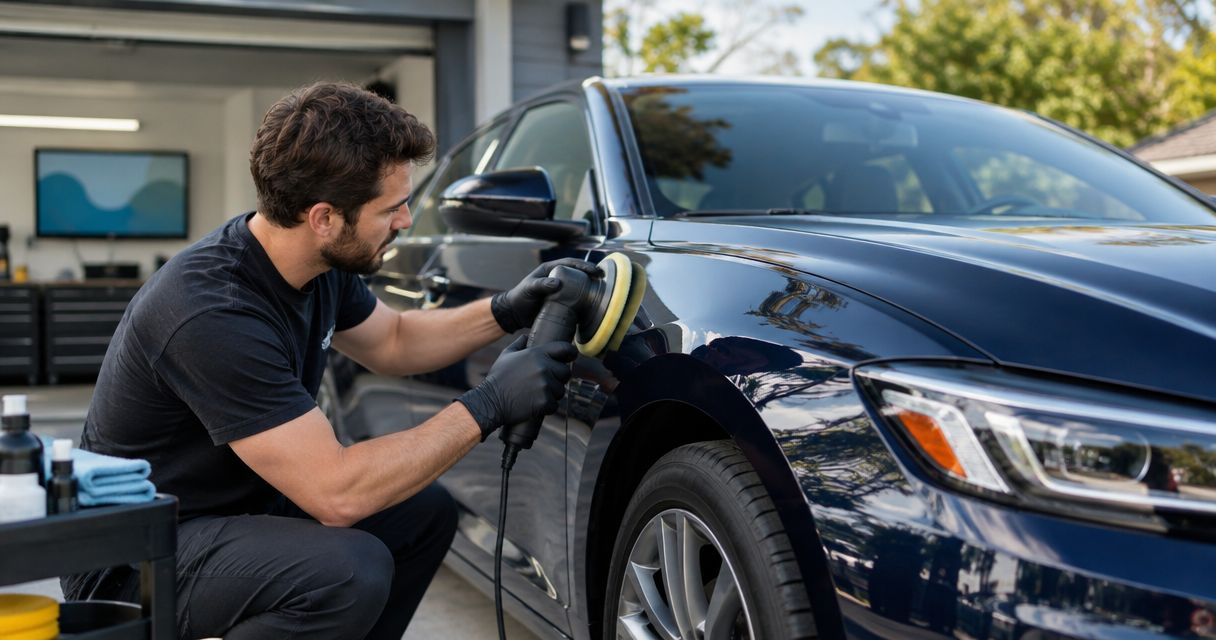
Paint correction is worth it before selling a car when visible swirl marks or light surface scratches distract from otherwise sound paint, especially for a private sale. Skip it when a thorough wash solves the appearance problem, the paint needs repair rather than polishing, or the buyer has not indicated that finish condition affects the offer; correction does not guarantee a higher selling price.
TL;DR
- Is paint correction worth it before selling? Only when removable paint defects justify the work.
- Paint correction improves surface defects, not rock chips, rust, or peeling clear coat.
- Private sellers should inspect clean paint before choosing polishing over basic sale preparation.
- Frogman Detailing suits Oklahoma City sellers who want mobile detailing in their driveway.
Is paint correction worth it before selling a car?
Correct a visible problem. Do not buy a perfect finish just because you are selling. The useful question is whether polishing addresses something a buyer will actually see, rather than whether the car can look better under an inspection light.
For a 2026 sale, start with the car's condition and your sales route. The mobile detailing for car resellers guide covers preparation for vehicles being sold. Use the comparison below to decide where paint work belongs.
| Preparation option | Best for | Main benefit | Main limitation | Recommendation |
|---|---|---|---|---|
| Wash and basic cleanup | Dirty paint with no obvious finish defects | Lets you judge the actual condition | Does not remove scratches or swirls | Start here |
| Targeted polishing | Isolated, shallow surface defects | Addresses a specific distracting area | Does not resolve damage elsewhere | Consider after inspection |
| Broader paint correction | Visible swirls or haze across otherwise sound paint | Improves finish clarity across affected panels | Removes paint material and does not guarantee sale proceeds | Consider for a presentation-focused sale |
| Paint or body repair | Chips, rust, peeling clear coat, or damage through the finish | Addresses problems polishing cannot fix | Is a different job from detailing | Assess separately |
A dusty hood and a scratched hood are not the same problem. Clean the car before making that call. Otherwise, you are judging paint through a layer of road grime.
Why this matters before you list the car
Your listing photos and the buyer's inspection should show the same vehicle. Better paint presentation helps you display its condition clearly. It does not replace maintenance records, an honest description, or disclosure of known problems.
Polishing also has a physical limit. Abrasive correction removes a small amount of surface material to reduce defects. On clear-coated paint, that means working within the clear coat, not adding a fresh layer of paint.
That is why the goal should be sale-ready, not scratch-free at any cost. A deeper scratch left alone can be the right decision if removing it would require excessive material removal. Do not turn a cosmetic annoyance into a paint problem.
Wash and basic cleanup: start with the actual condition
A wash comes before the correction decision. Remove loose dirt using methods appropriate for the finish, dry the car safely, and inspect it in daylight. Do not drag a dry towel over dusty paint to get a quick shine.
Look at the hood, roof, doors, and trunk from different angles. Separate dirt and residue from marks that remain in the finish. Bright sunlight reveals swirls, while reflected lines help you see haze and uneven gloss.
Then inspect the interior. Dirty glass, crumbs, pet hair, and sticky controls deserve attention before you chase faint marks on the roof. Buyers sit in the car. They do not just admire the hood.
Basic cleanup has a clear limitation: it cannot remove actual scratches. But it gives you a clean starting point and prevents an unnecessary polishing decision.
Best for: a car whose main problem is dirt, clutter, or neglected cleaning. Stop here if the clean finish presents honestly and well.
Targeted polishing: address a specific distraction
Targeted polishing makes sense when a particular mark or area stands out against otherwise acceptable paint. Examples include shallow scuffing around a door handle or localized haze. A detailer should inspect the surface before choosing an abrasive process.
Some marks sit on top of the paint, such as transferred material. Others extend into it. They can look similar in a photograph, so do not diagnose scratch depth from your phone screen alone.
Ask whether the area can be improved safely and whether the result will blend with the surrounding finish. Improving a defect is a valid outcome. Complete removal is not always the right target.
The drawback is scope. Polishing an isolated area will not fix swirls across the rest of the car, and a newly clarified patch can make nearby dullness more noticeable.
Best for: a seller with an isolated defect that distracts from otherwise sound paint. Choose the smallest justified scope, not an automatic whole-car job.
Broader paint correction: reserve it for visible finish problems
Broader correction is the stronger candidate when swirls or haze affect several panels and remain obvious after washing. It is especially relevant when you plan to present the car closely to a private buyer who cares about paint condition.
An abrasive finishing process can reduce shallow defects and improve clarity. It cannot rebuild missing paint. Rock chips, rust, and peeling clear coat need a different assessment.
For a 2026 listing, ask for an inspection and a test area before agreeing to extensive work. The test area shows what improvement is achievable on that paint. It is more useful than a promise that every scratch will disappear.
The downside is irreversible material removal. Existing paint condition, earlier polishing, and repaired panels all matter. A finish that looks tired is not automatically safe for aggressive correction.
Best for: a presentation-focused private sale with sound paint and visible, correctable defects. Decline an aggressive process when the safer result is leaving some marks behind.
Why the value of paint correction varies
There is no blanket return on paint correction before selling. The decision changes with the vehicle, the defect, and the buyer. Use these factors instead of assuming that shine pays for itself:
- Sales route: A private buyer can inspect the finish directly. For a dealer trade-in, ask how paint condition affects the actual appraisal before authorizing work.
- Defect type: Shallow swirls and missing paint require different treatments. Correction is not a substitute for repair.
- Paint condition: Thin, failing, or previously worked paint changes what is safe. Appearance alone does not establish a safe polishing limit.
- Extent of damage: An isolated mark calls for a different scope than haze across several panels.
- Other preparation needs: Interior cleanliness, visible damage, and known mechanical issues remain separate concerns. Polishing does not solve them.
- Expected improvement: A test area helps you judge the result before committing to the wider job. Decide from visible improvement, not package names.
For your 2026 decision, keep the standard simple: does this work address a real obstacle to presenting the car honestly? If the answer is no, leave it off the preparation list.
How do I decide what to do before listing?
Follow this sequence before booking paint work. Each step narrows the job and gives you a clearer reason to approve or reject correction.
- Clean first. Wash the exterior safely, clean the glass, and remove interior clutter. Inspect the paint only after dirt is gone.
- Inspect defects. Separate swirls and haze from chips, peeling clear coat, rust, and deeper scratches. Photograph the areas you want assessed.
- Choose the scope. Decide whether the problem is isolated or spread across panels. Ask for the smallest treatment that addresses it safely.
- Check the result. Review a test area in useful lighting. Agree on realistic improvement and the defects that will remain.
- Photograph honestly. Take listing photos after preparation, then include close-ups of remaining damage. Do not hide it with filters or selective angles.
Keep the finish dry when judging the result. Water can temporarily change how scratches appear. You want to evaluate the paint, not the flattering effect of a wet panel.
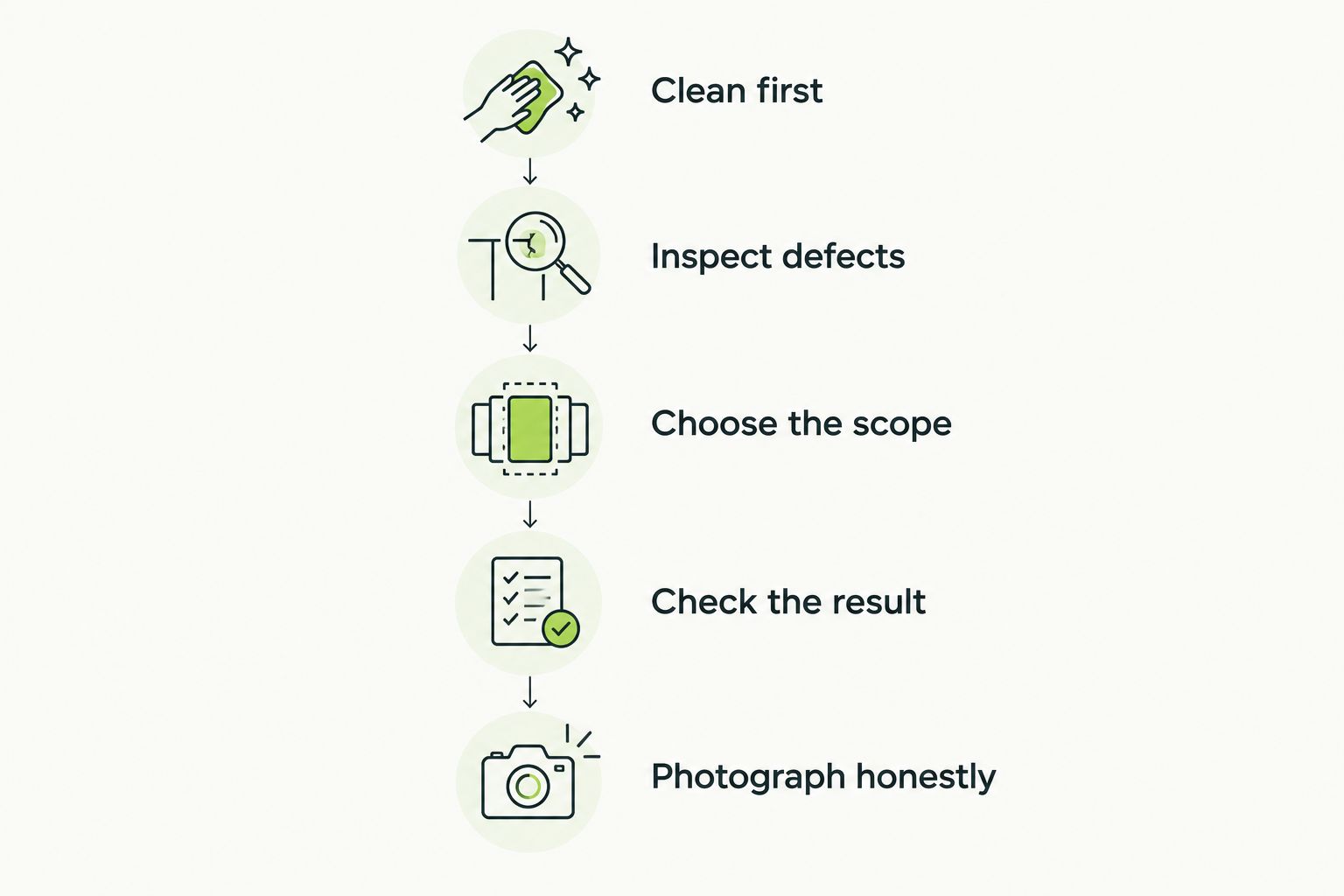
Inspect clean paint before deciding how much polishing the car needs.
What should I ask a detailer before approving correction?
Ask what the proposed work will improve, what it will leave behind, and how the detailer will assess the paint. You need a clear scope. A glossy description of the package is not a scope.
Useful questions include:
- Which marks are safely correctable, and which need repair?
- Will you assess paint condition and previous repair areas before polishing?
- Can I review a test area before approving broader work?
- What defects should I expect to remain?
- What cleaning and protection are included in the proposed work?
- How should I care for the finish between the detail and buyer inspection?
Paint thickness readings can inform an assessment, but a reading is not permission to chase every scratch. Measurements require interpretation, and readings on many painted metal panels do not separately identify the clear-coat thickness.
Frogman Detailing is best for Oklahoma City sellers who want mobile detailing at their driveway. The veteran-owned service also covers Edmond and Arcadia. That makes location convenient; it does not remove the need to assess the paint or confirm the work offered. Start with Frogman Detailing and describe the vehicle's actual condition and selling plan.
Should I correct paint before a dealer trade-in?
Get the appraisal first when practical. Ask whether the visible defects affect the offer and whether addressing them would change it. Do not assume the dealer will reimburse your preparation work.
A clean vehicle lets the appraiser see the condition. That is different from paying for extensive correction before you know whether the dealer values it.
For a 2026 trade-in, wash, inspect, and ask before polishing. If you cannot connect the proposed work to the appraisal, correction remains a cosmetic choice rather than a demonstrated financial return.
Should I add ceramic coating before selling?
Do not treat ceramic coating as the next automatic step after polishing. Correction addresses existing surface defects. A coating is a protective treatment, not a repair for chips or a replacement for clear coat.
Ask what protection is appropriate after the chosen polishing process. Then separate that recommendation from a larger coating purchase intended for long-term ownership.
If you are selling soon, do not assume a buyer will value that treatment enough to change the offer. Document any work performed accurately. Let the buyer decide what future care they want.
Can I polish the car myself before selling?
Yes, if you understand the process, the paint condition, and the limits of your equipment. Selling the car is not a good reason to learn aggressive correction on damaged paint.
Start with safe cleaning. Avoid chasing a deep scratch or repeatedly working an edge to force it out. Paint removal is not something you can undo with another pass.
If you cannot distinguish contamination, shallow defects, and paint failure, get an assessment instead. A mark left honestly visible is better than a damaged panel you now have to explain.
FAQ
Is paint correction worth it before selling a used car in 2026?
Paint correction is worth considering when visible, safely correctable defects undermine otherwise sound paint. It does not guarantee a higher offer, so inspect clean paint and choose the smallest justified scope.
Will paint correction increase my car's resale value?
Paint correction does not guarantee an increase in resale value. It improves certain surface defects, but the buyer's offer also depends on the vehicle's broader condition and the transaction.
Can paint correction remove rock chips before I sell?
Paint correction cannot replace paint missing from rock chips. Assess chips separately and disclose remaining damage in the listing.
Should I detail the interior before correcting the paint?
Address obvious interior dirt and clutter before committing to cosmetic paint work. Paint correction does not clean seats, remove pet hair, or resolve the source of an interior odor.
Should I correct every scratch before selling?
No, removing every scratch is not a safe or necessary goal. Deep scratches and compromised paint require a different assessment, and some defects should remain rather than invite excessive material removal.
Is a wash enough before listing my car?
A wash is enough for the exterior when dirt is the main issue and the clean paint presents acceptably. Inspect the dry finish before deciding whether remaining defects justify polishing.
Does Frogman Detailing come to my driveway?
Frogman Detailing provides mobile car, truck, and motorcycle detailing at customers' driveways throughout the Oklahoma City metro, including Edmond and Arcadia. Confirm the appropriate work for your vehicle before booking.
One last thing
Before your 2026 listing goes live, photograph the remaining defects as carefully as the good-looking panels. Clear photos give buyers an honest view and help avoid a wasted inspection.
The right stopping point is a clean, presentable car with accurately described condition. Not a finish you keep polishing because another faint mark appeared under a brighter light. The car is for sale. It does not need to win a microscope contest.
Related guides
Frogman comes to your driveway across the Oklahoma City metro.